
The Allure of Gambling: Understanding the Draw
The psychology behind casino gambling is deeply rooted in the allure of winning and the thrill of risk-taking. Many individuals are drawn to the idea of striking it rich, experiencing what is often referred to as the “near-miss” effect, where players feel they were close to winning. This psychological phenomenon enhances the excitement and compels players to continue participating, despite the odds being against them. The unpredictable nature of gambling taps into human curiosity and the desire for instant gratification, further fueling a player’s engagement. Many players also seek out non gamstop casinos uk when exploring their options for gambling.

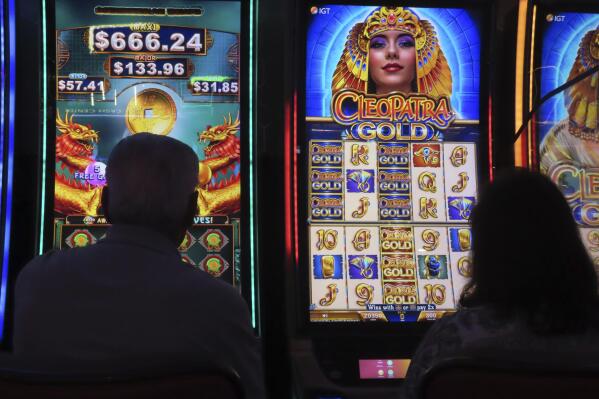
Moreover, many casinos employ various strategies to keep players on-site and engaged. The design of the gaming floor, the placement of machines, and the use of sound and light create an immersive environment that alters perception of time and reality. This carefully curated atmosphere can lead to extended play sessions, as the surroundings encourage gamblers to lose track of their actions and financial limits.
The Role of Peer Pressure
Fear of missing out (FOMO) is a critical aspect of gambling behavior, especially in social contexts. Individuals often find themselves in environments where they feel pressured to gamble to fit in or maintain social bonds. This social influence can exacerbate gambling habits, encouraging individuals to participate even when they may not have the financial means. The presence of friends or acquaintances can amplify the excitement and temptations of gambling, creating a cycle where enjoyment and peer validation outweigh caution.
Additionally, social media has contributed to this phenomenon by glamorizing gambling and sharing experiences that showcase wins, often neglecting the losses that accompany them. As a result, individuals may romanticize gambling, viewing it as a fun and social activity rather than recognizing the potential for financial and emotional distress that can arise from habitual gambling.
Cognitive Biases: The Mechanisms Behind Decision Making
Cognitive biases play a significant role in how gamblers make decisions. One prevalent bias is the illusion of control, where players believe they can influence the outcome of games that are inherently random, such as slot machines or roulette. This false sense of agency can lead to repeated play, as individuals chase losses or attempt to confirm their beliefs about their skill or luck. This phenomenon can be particularly damaging, as it creates a cycle of rationalization for continued gambling despite negative outcomes.
Another cognitive aspect is the availability heuristic, where individuals make judgments based on easily recalled instances, often influenced by media portrayals of winners. These biases can distort one’s perception of the risks involved in gambling, leading individuals to misestimate the likelihood of winning and resulting in increased gambling activity as they pursue elusive jackpots.
For some individuals, gambling serves as a coping strategy to deal with stress, anxiety, or depression. The excitement of gambling can provide an escape from reality, offering temporary relief from emotional distress. This behavior can become problematic when individuals begin to rely on gambling as their primary means of managing negative emotions or life stressors. The initial thrill may eventually turn into a compulsion, leading to increased risk-taking behavior and potentially harmful consequences.
The emotional highs associated with gambling, particularly during winning streaks, can create a craving for these positive feelings. Over time, this can lead to an addiction-like behavior, where the gambler prioritizes their gambling activities over other important aspects of life, such as relationships and responsibilities. Recognizing the emotional triggers that lead to gambling can be crucial in addressing unhealthy habits and seeking help.
Enhancing Security and User Experience on Gambling Sites
The realm of online gambling comes with its own set of challenges, particularly regarding security and user experience. Websites often face access issues due to various security blocks that aim to protect users from online threats. Understanding these security measures is essential for gamblers who may encounter access problems while trying to engage with their favorite platforms. Knowing the potential triggers for these blocks can help users navigate access challenges more effectively.
Furthermore, gambling sites prioritize maintaining a secure environment without compromising user experience. They often provide assistance for resolving access issues, enabling users to enjoy a seamless and safe gaming experience. As the world of online gambling continues to evolve, a focus on robust security measures will be vital in ensuring the safety and satisfaction of all players.